

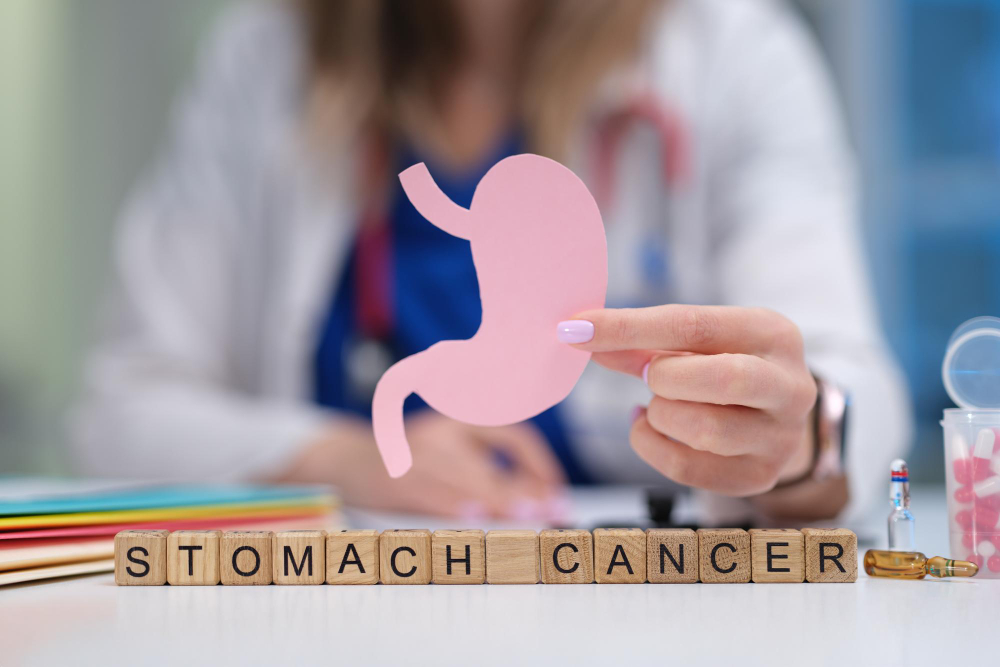
What Is Stomach Cancer?
Stomach cancer, also called gastric cancer, starts in the lining of the stomach. This disease happens when cells in the stomach grow out of control. Over time, these cells can form a tumor. Although stomach cancer is less common than some other cancers, it can be very serious. According to the World Health Organization (WHO), stomach cancer is one of the leading causes of cancer death worldwide. For this reason, knowing about stomach cancer and its risks is important for everyone.
Common Symptoms of Stomach Cancer
Often, stomach cancer does not cause symptoms in the early stages. However, as the cancer grows, you may notice changes. For example, you might feel pain or discomfort in your upper belly. Other symptoms can include:
Because these symptoms can be caused by many other conditions, it is important to talk to a doctor if they last more than a few weeks. Early diagnosis of stomach cancer can make a big difference in treatment success.
Major Causes and Risk Factors
Many things can raise your risk for stomach cancer. For instance, infection with a bacteria called Helicobacter pylori (H. pylori) is a major cause. In addition, some lifestyle habits and health conditions can increase risk. These include:
While you cannot change some risk factors, you can lower your risk by making healthy choices. The Centers for Disease Control and Prevention (CDC) notes that quitting smoking and eating more fruits and vegetables may help reduce your risk.
How Stomach Cancer Is Diagnosed
Doctors use several tests to find out if you have stomach cancer. First, your doctor will ask about your symptoms and health history. Next, they may do a physical exam. If cancer is suspected, further tests may include:
Because symptoms can be mild at first, many people are diagnosed at a later stage. Therefore, seeing a doctor early if you notice symptoms is very important.
The Importance of Early Detection
Early detection of stomach cancer can save lives. When found early, stomach cancer is easier to treat and the chances of recovery are much higher. For example, small tumors can often be removed with surgery before they spread. According to the American Cancer Society, people diagnosed at an early stage have a better outlook. However, many cases are found late because symptoms are often mild or mistaken for other problems. That is why paying attention to lasting symptoms and getting checked by a doctor is so important.
Treatment Options for Stomach Cancer
Stomach cancer treatment depends on the stage and location of the cancer. Your health and preferences also play a role. Common treatment options include:
In many cases, doctors use a mix of these treatments. For example, you may have chemotherapy before or after surgery. New treatments and clinical trials are also available in many cities and cancer centers. Your doctor will help you choose the best plan for your needs.
Tips for Prevention and Healthy Living
While not all cases of stomach cancer can be prevented, you can lower your risk by making healthy choices. For instance, you can:
In addition, staying active and managing stress can help your overall health. If you live in areas with higher rates of stomach cancer, such as New York, Los Angeles, or Houston, talk to your doctor about your risk. Reliable sources like the CDC and WHO offer more information on healthy living and cancer prevention.