

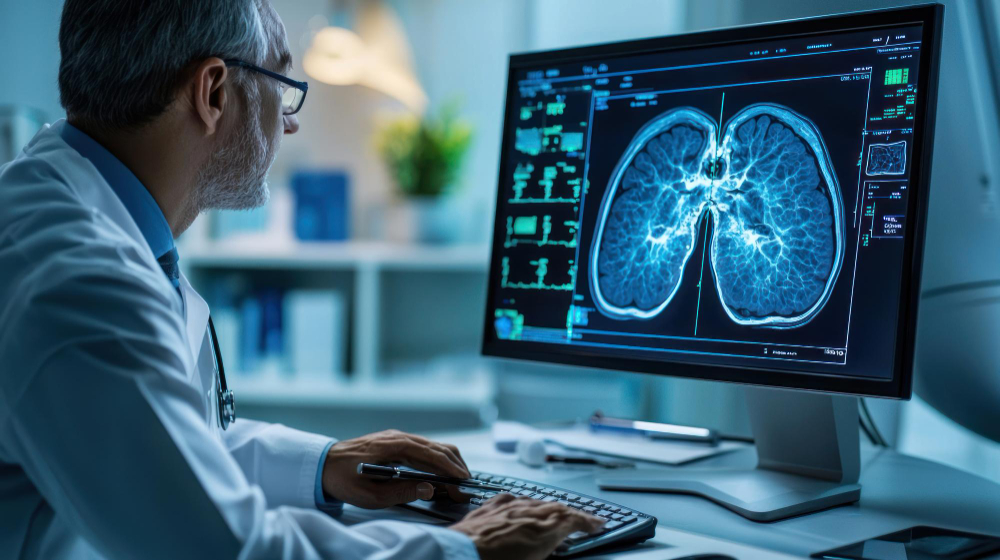
Lung cancer is one of the most common cancers worldwide. Early detection of lung cancer can save lives. Because symptoms often appear late, many people do not know they have it until it has spread. However, screening can help find lung cancer early, when treatment works best. In this blog, you will learn who should consider lung cancer screening, how it works, and what steps you can take to lower your risk.
What Is Lung Cancer?
Lung cancer starts when cells in the lungs grow out of control. Over time, these cells can form a lump called a tumor. Sometimes, the cancer can spread to other parts of the body. There are two main types of lung cancer:
According to the World Health Organization (WHO), lung cancer causes more deaths than any other cancer. Yet, finding it early gives people a better chance of survival.
Why Early Detection Matters
Early detection of lung cancer means finding the disease before symptoms appear. When found early, lung cancer is easier to treat. For example, the American Cancer Society notes that people with early-stage lung cancer have higher survival rates. In contrast, late-stage lung cancer is harder to treat and often spreads to other organs. Therefore, screening can make a big difference.
Who Is at Risk for Lung Cancer?
Some people have a higher risk of lung cancer than others. Knowing your risk factors can help you decide if screening is right for you. Key risk factors include:
Even if you quit smoking years ago, your risk may still be higher than average. For this reason, it is important to talk to your doctor about your personal risk.
Screening Guidelines for Lung Cancer
Not everyone needs lung cancer screening. The United States Preventive Services Task Force (USPSTF) and the CDC recommend screening for people who:
Screening is not usually recommended for people with low risk. However, if you have other risk factors, your doctor may suggest screening even if you do not meet these guidelines. In some cities, local programs may offer screening for people with special risks.
How Lung Cancer Screening Works
Lung cancer screening uses a test called low-dose computed tomography (low-dose CT scan). This scan takes detailed pictures of your lungs. It uses less radiation than a regular CT scan. During the test, you lie on a table while the machine moves around you. The scan is quick and painless. Most people can go home right after the test. Doctors look for spots or changes in your lungs that might be cancer.
Benefits and Risks of Screening
Screening for lung cancer has both benefits and risks. On the positive side, early detection can:
However, there are also some risks, such as:
Because of these risks, it is important to talk with your doctor before starting screening. Together, you can decide if it is right for you.
Lifestyle Tips to Lower Lung Cancer Risk
While screening is important, making healthy choices can also lower your risk. For example, you can:
Even small changes can make a big difference over time. If you need help quitting smoking, many local programs and clinics offer support.