

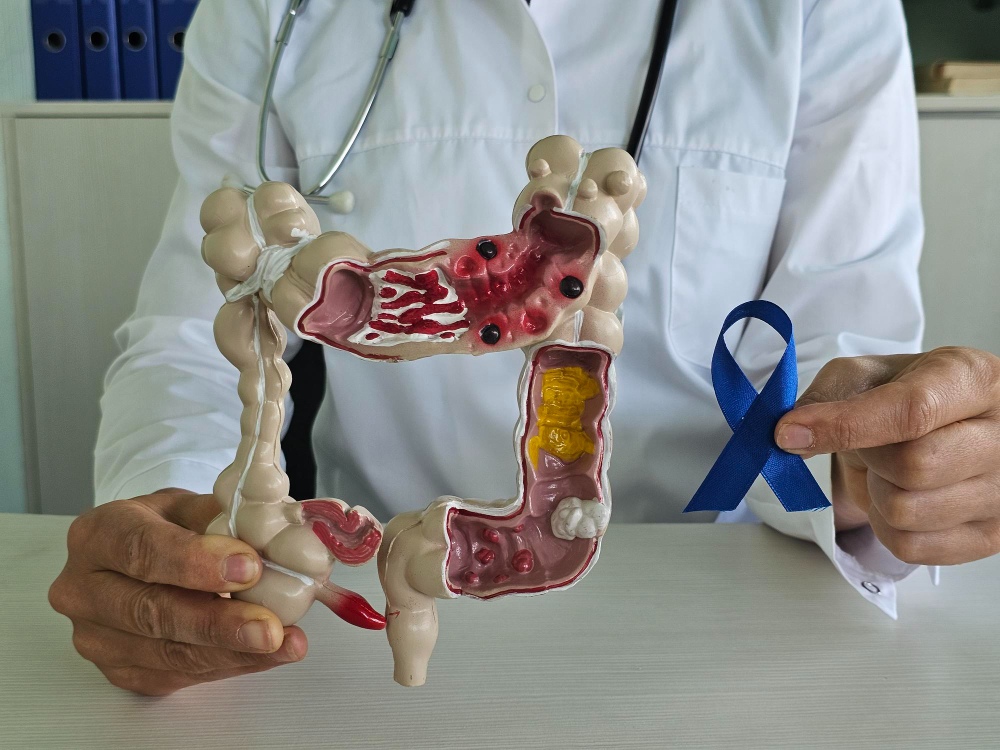
What Is Colorectal Cancer?
Colorectal cancer starts in the colon or rectum. These are parts of your large intestine. Many people call it colon cancer. However, it can affect both the colon and the rectum. This cancer often grows slowly. Because of this, early signs of colorectal cancer may be easy to miss. According to the CDC, colorectal cancer is one of the most common cancers worldwide. Early detection can save lives. That is why understanding how to detect colon cancer is so important.
Early Warning Signs of Colorectal Cancer
Often, colorectal cancer does not cause symptoms right away. Still, some early signs may appear. For example, you might notice changes in your bowel habits. These changes can include:
Sometimes, these signs can be caused by other conditions. Even so, it is important to talk to your doctor if you notice them. Early signs of colorectal cancer are easier to treat.
Risk Factors and Causes
Anyone can get colorectal cancer. However, some factors raise your risk. For instance, your risk increases as you get older. Most cases happen in people over 50. Other risk factors include:
Because of these risks, knowing your family history is helpful. In addition, making healthy choices can lower your risk.
Why Screening for Colorectal Cancer Matters
Screening for colorectal cancer can find problems before you have symptoms. In fact, screening can find growths called polyps. Some polyps can turn into cancer over time. Removing them early can prevent cancer from starting. The World Health Organization and CDC both recommend regular screening. Many people who get screened never develop colorectal cancer. Therefore, screening saves lives and helps doctors catch cancer early.
Screening Methods for Colorectal Cancer
There are several ways to screen for colorectal cancer. Your doctor can help you choose the best test. Common screening methods include:
Most people should start screening at age 45. However, you may need to start earlier if you have risk factors. Regular screening is the best way to detect colon cancer early.
How to Reduce Your Risk
There are steps you can take to lower your risk of colorectal cancer. For example, you can:
Even small changes can make a big difference. Because early action matters, talk to your doctor about your risk and screening options.
Conclusion
If you have questions about colorectal cancer or screening, the team at ONCOHEAL CANCER CENTER is here to help. Schedule a consultation to discuss your concerns and learn about your options.