

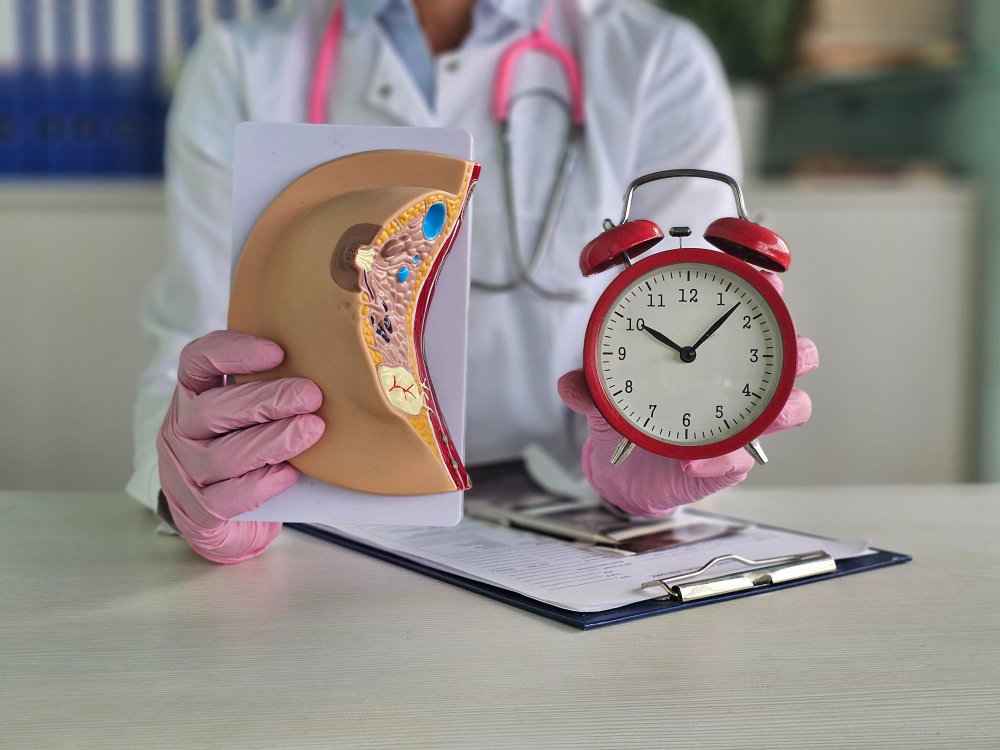
What Is Breast Cancer?
Breast cancer is a type of cancer that starts in the breast tissue. It can affect both women and men, but it is much more common in women. The cells in the breast begin to grow out of control, forming a lump or mass. Over time, these cells may spread to other parts of the body. According to the World Health Organization (WHO), breast cancer is one of the most common cancers worldwide. For this reason, understanding breast cancer is important for everyone.
Why Early Detection Matters
Early detection of breast cancer can save lives. When cancer is found early, it is often smaller and easier to treat. As a result, treatment may be less aggressive and survival rates are higher. For example, the American Cancer Society notes that the five-year survival rate is over 90 percent when breast cancer is found early. Because of this, regular breast cancer screening is very important. Not only does it help find cancer before symptoms appear, but it also gives people more options for care.
Common Breast Cancer Screening Methods
There are several ways to screen for breast cancer. Each method helps doctors find changes in breast tissue before you notice symptoms. Below are the most common screening tests:
Because each test has its own strengths, your doctor may suggest one or more based on your needs.
Who Should Get Screened?
Screening guidelines depend on your age and risk factors. For most women, experts like the CDC recommend starting regular mammograms at age 40 or 50. However, some people may need to start earlier. You may need earlier or more frequent screening if you:
Because everyone is different, talk to your doctor about the best time to begin breast cancer screening. In some areas, local health programs may offer free or low-cost screenings.
How to Prepare for a Breast Cancer Screening
Getting ready for a breast cancer screening is simple. Still, a few steps can help you feel more comfortable. For example, on the day of your mammogram:
During the test, you may feel some pressure, but it usually lasts only a few seconds. Afterward, you can return to your normal activities right away. If you have questions, ask the staff before the test begins. This can help ease any worries.
Reducing Your Risk: Lifestyle and Prevention Tips
While you cannot change some risk factors, you can take steps to lower your chance of breast cancer. For instance, healthy habits can make a difference. Here are some tips:
Because risk factors vary, talk to your doctor about your personal risk. In some cases, medicines or surgery may help lower risk for those with a strong family history.
Frequently Asked Questions About Breast Cancer Screening
Is breast cancer screening painful?
Most people feel only mild discomfort during a mammogram. The pressure lasts a few seconds.
How often should I get screened?
Most experts suggest a mammogram every one or two years, starting at age 40 or 50. However, your doctor may recommend a different schedule based on your risk.
Can men get breast cancer?
Yes, but it is rare. Men should talk to their doctor if they notice any changes in their breast tissue.
Are there risks to screening?
Screening tests are safe, but they may sometimes find changes that are not cancer. This can lead to more tests. Still, the benefits of early detection are greater than the risks for most people.
What if I have dense breasts?
Dense breast tissue can make it harder to see changes on a mammogram. Your doctor may suggest extra tests, such as an ultrasound or MRI.