

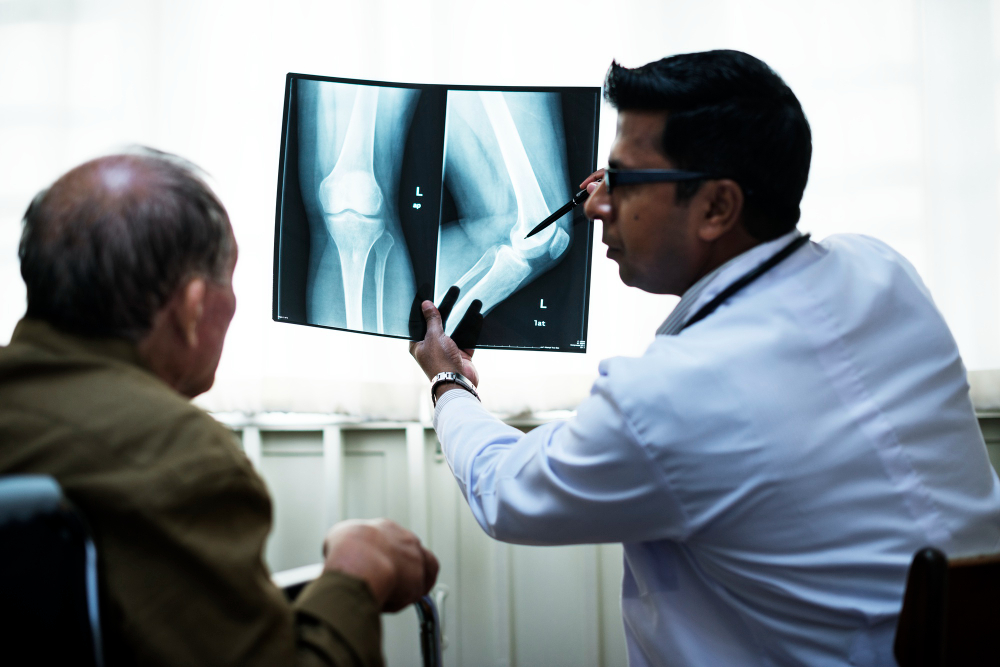
What Is Bone Metastasis?
Bone metastasis happens when cancer spreads from its original site to the bones. For example, breast, lung, or prostate cancers often move to the bones. This process is called metastatic bone disease. When this occurs, it can cause pain and other symptoms. The term “bone metastasis radiation for symptom control” refers to using radiation therapy to ease these problems. According to the World Health Organization (WHO), bone metastasis is common in advanced cancer cases. It is important to know that bone metastasis is not the same as bone cancer, which starts in the bone itself.
Common Symptoms of Bone Metastasis
Bone metastasis can cause different symptoms. However, not everyone will have the same signs. Early detection helps improve comfort and quality of life. Common symptoms include:
Sometimes, people may also notice trouble moving or walking. In rare cases, high calcium levels in the blood can cause confusion or nausea. If you notice any of these symptoms, it is important to talk to your doctor.
How Radiation Therapy Helps Control Symptoms
Radiation therapy is a common treatment for bone metastasis. It uses high-energy rays to target cancer cells in the bone. As a result, it can help reduce pain and swelling. Many patients feel relief within a few days or weeks. Radiation does not cure the cancer, but it can make daily life more comfortable. The Centers for Disease Control and Prevention (CDC) notes that radiation is safe when given by trained teams. In addition, it can help prevent further bone damage. For many, radiation therapy is an important part of symptom relief and patient care.
Types of Radiation Therapy Used for Bone Metastasis
There are several types of radiation therapy for bone metastasis. Your doctor will choose the best option based on your needs. Common types include:
Each type has its own benefits and risks. However, all aim to improve comfort and reduce symptoms.
What to Expect During Radiation Treatment
Before treatment, you will meet with a radiation oncologist. This doctor will explain the plan and answer your questions. Next, a team will take images of the area to be treated. These images help guide the radiation beams. During each session, you will lie still on a table. The machine moves around you but does not touch you. Most sessions last only a few minutes. You may need several sessions over one or two weeks. After each visit, you can go home and continue your normal activities. Many people notice pain relief soon after starting treatment.
Potential Side Effects and How to Manage Them
Although radiation therapy is helpful, it can cause side effects. Most are mild and go away after treatment ends. Common side effects include:
To manage these effects, try these tips:
Most side effects improve within weeks. However, always let your doctor know if you have concerns.
Lifestyle Tips for People Undergoing Radiation for Bone Metastasis
Living with bone metastasis can be challenging. Even so, small changes can help you feel better during radiation therapy. Consider these lifestyle tips:
Because everyone is different, talk to your care team about what works best for you.
Preventing and Managing Complications
Bone metastasis can sometimes cause problems, such as broken bones or high calcium levels. Therefore, it is important to take steps to prevent these issues. Here are some ways to lower your risk:
With the right care, many people manage bone metastasis and live more comfortably.
Get expert guidance tailored to your health needs at ONCOHEAL CANCER CENTER