

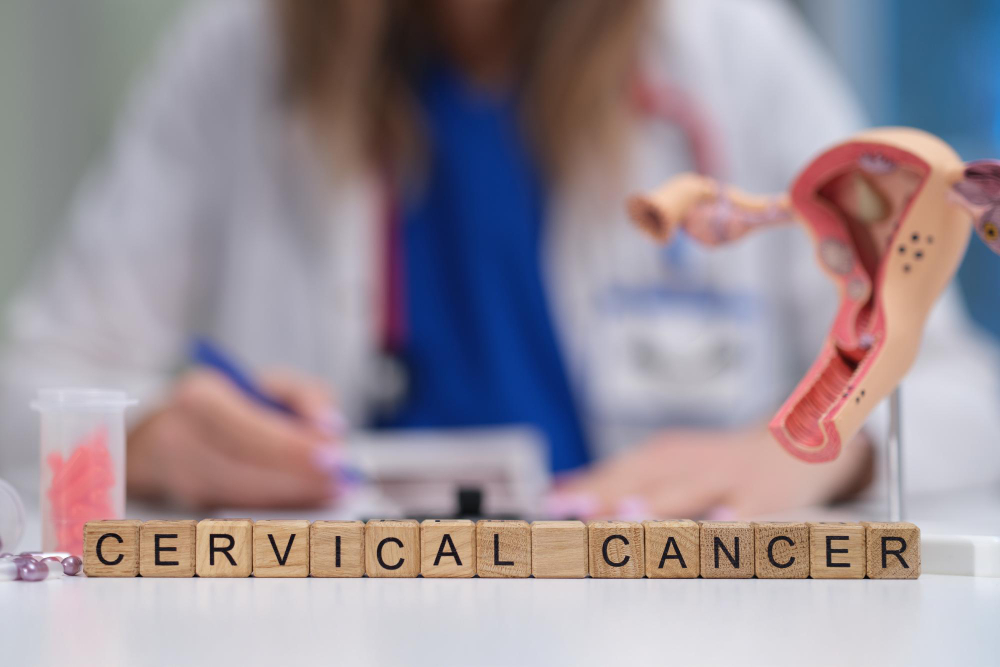
Introduction
Cervical cancer starts in the cells of the cervix, which is the lower part of the uterus. Knowing the risk factors for cervical cancer can help you protect your health. For many women, understanding these risks is the first step toward prevention. While some risks are out of your control, others can be managed. According to the World Health Organization (WHO), early awareness and prevention are key to lowering cervical cancer rates.
What is Cervical Cancer?
Cervical cancer happens when abnormal cells grow in the cervix. Over time, these cells may form a tumor. If not treated, the cancer can spread to other parts of the body. Most cases develop slowly and may not cause symptoms at first. However, regular screening can help find changes early. In many places, such as the United States, screening programs have reduced the number of new cases. Still, cervical cancer remains a serious health concern for women worldwide.
Major Risk Factors for Cervical Cancer
Several factors can increase a woman’s chance of developing cervical cancer. Some are linked to lifestyle, while others are related to health or family history. Below are the main risk factors for cervical cancer, based on research from the Centers for Disease Control and Prevention (CDC) and other trusted sources.
Human Papillomavirus (HPV) Infection
First and foremost, HPV infection is the leading cause of cervical cancer. HPV is a common virus spread through sexual contact. In fact, almost all cervical cancers are linked to HPV. While most HPV infections go away on their own, some types can cause long-lasting changes in cervical cells. These changes may lead to cancer over time. HPV and cervical cancer are strongly connected, making HPV prevention very important.
Smoking
Additionally, women who smoke have a higher risk of cervical cancer. Smoking exposes the cervix to harmful chemicals. These chemicals can damage cell DNA and make it harder for the body to fight HPV infections. As a result, smokers are about twice as likely to get cervical cancer compared to non-smokers.
Weakened Immune System
Some women have a weaker immune system due to conditions like HIV or from taking certain medicines. Because the immune system helps fight infections, a weak system makes it harder to clear HPV. This increases the risk of cervical cancer. According to the CDC, women with HIV are more likely to develop cervical cancer than those without HIV.
Long-Term Use of Oral Contraceptives
Using birth control pills for five years or longer may raise the risk of cervical cancer. Although the risk goes down after stopping the pills, it is still important to talk with your doctor about safe options. Notably, the benefits and risks of oral contraceptives can be different for each woman.
Multiple Full-Term Pregnancies
Women who have had three or more full-term pregnancies may face a higher risk. Experts think that hormonal changes during pregnancy could make the cervix more likely to develop cancer. Also, changes in the immune system during pregnancy may play a role.
Early Sexual Activity
Having sex at a young age increases the risk of HPV infection. Since HPV is the main cause of cervical cancer, starting sexual activity early can raise the overall risk. The cervix of younger women is more likely to be affected by HPV.
Multiple Sexual Partners
Women with many sexual partners, or those whose partners have had many partners, have a higher chance of getting HPV. Therefore, the risk of cervical cancer also goes up. Safe sex practices can help lower this risk.
Family History of Cervical Cancer
Sometimes, cervical cancer runs in families. If your mother or sister had cervical cancer, your risk may be higher. Although genes play a role, shared lifestyle or environmental factors may also contribute.
Other Relevant Risk Factors
How Risk Factors Influence Cervical Cancer Development
Each risk factor affects the cervix in different ways. For example, HPV infection can cause changes in the cells that may become cancer. Smoking and a weak immune system make it harder for the body to fight off these changes. In addition, having more risk factors can increase your chances even more. However, not everyone with these risks will get cervical cancer. Still, the more risk factors you have, the more important regular screening becomes.
Reducing Your Risk: Evidence-Based Guidance
Although some risk factors cannot be changed, many can be managed with healthy choices. The following steps can help lower your risk of cervical cancer:
For women in cities and rural areas alike, following these steps can make a difference. According to the CDC and WHO, prevention and early detection are the best ways to lower cervical cancer risk.
Conclusion
Schedule a cervical cancer screening at ONCOHEAL CANCER CENTER to understand your risk and stay protected. Early action can make a big difference, so reach out today for support and guidance.