

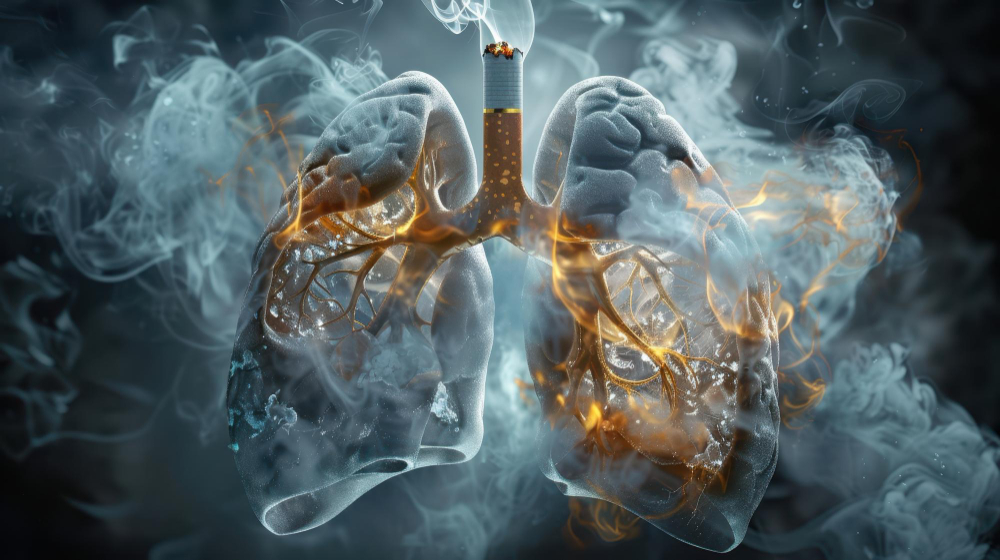
Many people have heard about the link between smoking and lung cancer. However, not everyone knows how strong this connection is. In fact, smoking is the main cause of lung cancer worldwide. According to the World Health Organization (WHO), about 85% of lung cancer cases are linked to smoking. Because of this, understanding how smoking leads to lung cancer can help you make better choices for your health. In this blog, you will learn about the risks, symptoms, and ways to protect your lungs.
What Is Lung Cancer?
Lung cancer is a disease where cells in the lungs grow out of control. These cells can form a lump, called a tumor. Over time, the tumor can spread to other parts of the body. For many people, lung cancer is hard to spot early. Often, symptoms appear only after the cancer has grown. In the United States, lung cancer is the leading cause of cancer death for both men and women. This makes it important to know the signs and risks.
How Smoking Causes Lung Cancer
Many people ask, “How does smoking cause lung cancer?” When you smoke, you breathe in harmful chemicals. These chemicals damage the cells in your lungs. Over time, the damage can cause cells to change and grow in unhealthy ways. As a result, tumors may form. Even if you do not smoke, breathing in secondhand smoke can also raise your risk. According to the CDC, tobacco smoke contains over 70 chemicals known to cause cancer.
Key Risk Factors Linked to Smoking
Not everyone who smokes will get lung cancer. Still, smoking greatly increases your risk. Here are some key risk factors linked to smoking:
For example, lung cancer rates in the United States are much higher among smokers than non-smokers. The risk goes up the longer you smoke and the more you smoke each day.
Common Symptoms of Lung Cancer in Smokers
At first, lung cancer may not cause any symptoms. However, as the disease grows, you may notice changes. Watch for these common lung cancer symptoms in smokers:
Because some of these signs can be caused by other problems, it is important to see a doctor if you notice them.
Diagnosis: Detecting Lung Cancer Early
Early detection can save lives. For people at high risk, doctors may suggest screening tests. For example, a low-dose CT scan can spot lung cancer before symptoms appear. According to the CDC, screening is often recommended for adults aged 50 to 80 who have a long history of smoking. If you have symptoms, your doctor may order chest X-rays or other tests. In some cases, a biopsy is needed to confirm the diagnosis.
Treatment Options for Smoking-Related Lung Cancer
Treatment depends on the type and stage of lung cancer. After a diagnosis, your doctor will discuss the best options for you. Common treatments include:
Sometimes, a mix of treatments works best. Early treatment can improve your chances of recovery.
Prevention: Reducing Your Risk
While not all lung cancer can be prevented, you can lower your risk. The most effective way is to avoid smoking or quit if you already smoke. Even if you have smoked for years, quitting helps your lungs start to heal. In addition, try to avoid secondhand smoke and areas with high air pollution. The CDC and WHO both stress that quitting smoking at any age reduces your risk of lung cancer.
Lifestyle Tips for Lung Health After Quitting Smoking
After quitting, your lungs begin to repair themselves. To help prevent lung cancer after quitting smoking, consider these tips:
With these steps, you can support your lung health and lower your risk of future problems.
Conclusion
If you are worried about your lung health or want to quit smoking, ONCOHEAL CANCER CENTER is here to help. Schedule an oncology consultation today to discuss your risks and get personalized support.